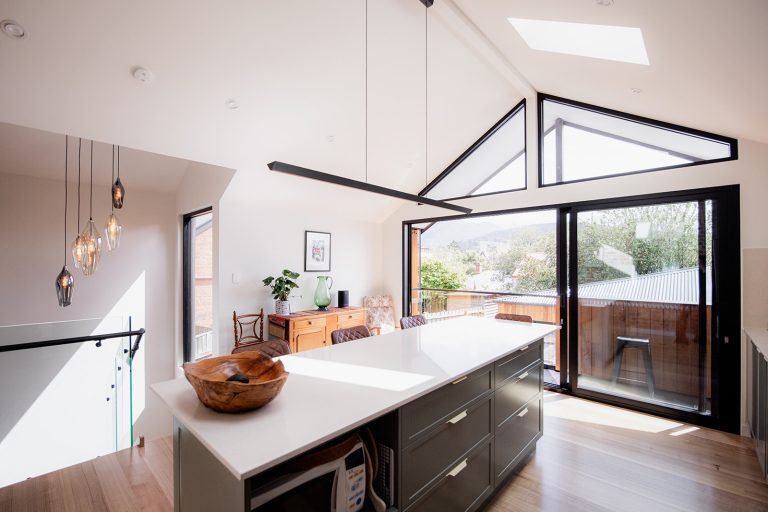
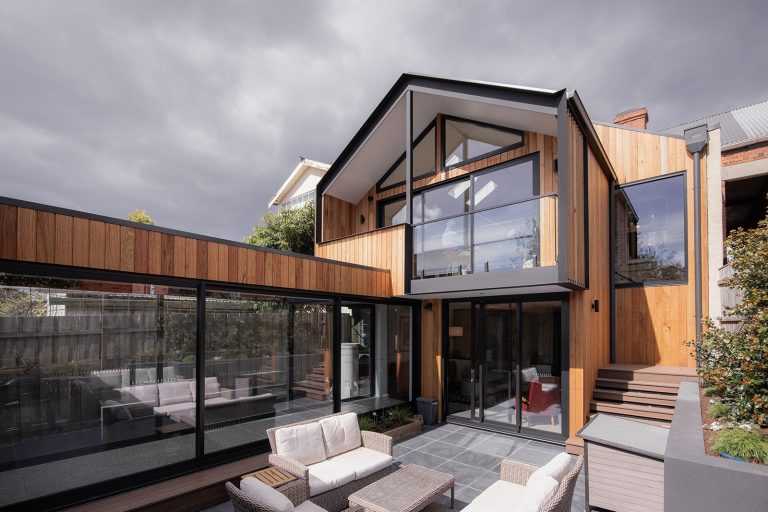
Deciding whether to renovate or rebuild an older, inefficient home is a highly personal and financial decision that often comes down to the home’s existing structural integrity versus your architectural vision. Generally, renovation is better if the existing structure is sound and you love the character, while a new build is usually the most cost-effective path to achieving peak energy efficiency and a completely uncompromised result. We approach this decision through the lens of long-term value, absolute integrity, and honouring your deepest aspirations for your Hobart home.
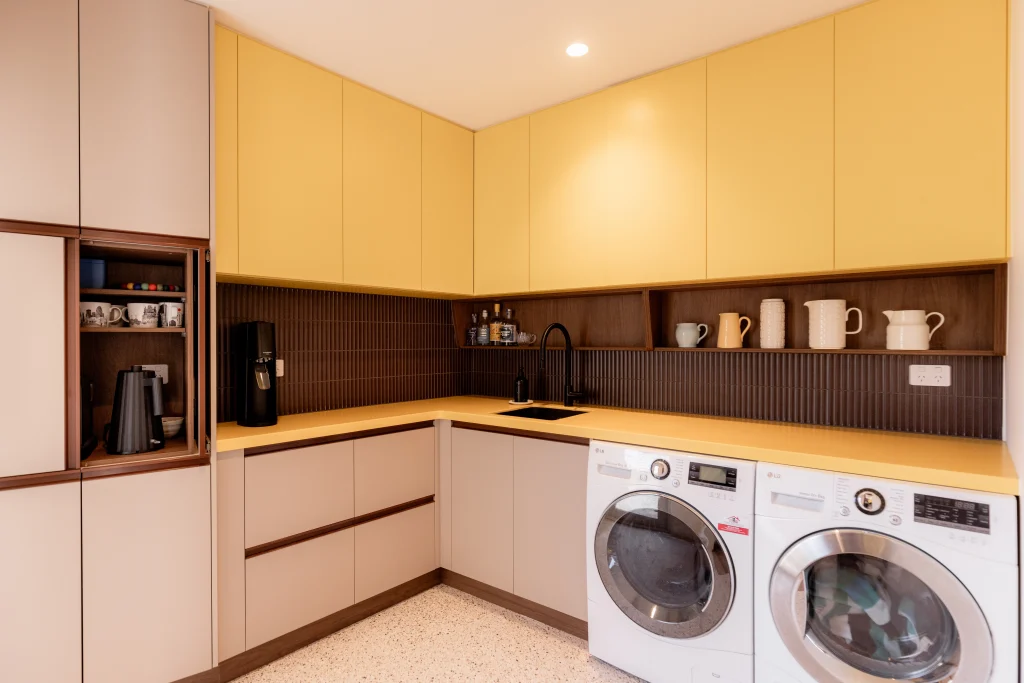
When Does The Existing Home Become A Liability, Not An Asset?
For many high-end renovations in Hobart, the initial charm quickly gives way to the hidden reality of structural shortcomings and severe inefficiency. While the sentimental value of an older home is real, the cost to bring its performance up to modern standards, including air sealing and continuous insulation, can quickly eclipse the cost of a new build where these elements are engineered from scratch. This is where we step in with down to earth professionalism, providing a transparent, itemised proposal to help you face the facts without budget uncertainty.
- Foundation and Substructure Issues: Unstable foundations, damp subfloors, or outdated footings that require expensive and disruptive rectification work before any renovation can begin.
- Non-Compliant Framing: Walls that lack the depth or spacing to accommodate the modern insulation and air sealing required for true energy efficiency.
- Hazardous Materials: The discovery of asbestos or lead paint, which significantly increases the cost and timeline of a renovation due to mandatory, specialised removal.
- Inflexible Layout: A restrictive floor plan that clashes directly with your architectural vision and modern lifestyle needs, making costly and challenging structural changes unavoidable.
Mistakes That Turn Renovation Dreams Into A Stressful Processhat Sabotage Your Goal for Real Energy Efficiency
Many clients begin a renovation project hoping for the best but find themselves trapped by budget uncertainty and a stressful process when the scope creep becomes overwhelming. The mistake lies in underestimating the hidden costs and unseen structural work required to transform a leaky, inefficient house into a performance-driven sanctuary. This is the lack of trust we eliminate through open conversation, ensuring you avoid the pitfalls of unquantified risk.
- Underestimating Hidden Defects: The Pandora’s Box Effect. Committing to a renovation budget before fully investigating the condition of the structure, wiring, and plumbing, leading to expensive, unexpected costs and delays mid-project. Tip: Insist on a thorough, non-invasive structural and services audit during the collaborative planning phase to minimise budget uncertainty.
- Prioritising Aesthetics Over Structure: The Superficial Fix. Spending heavily on high-end finishes while neglecting to upgrade the thermal envelope, resulting in a beautiful but cold, inefficient, and uncomfortable home. Tip: Demand that energy efficiency upgrades like air sealing and insulation are non-negotiable foundations of your renovation plan, backed by unwavering craftsmanship.
- Failing to Align with the Architect: Disconnected Teams. Attempting a complex renovation without a strong partnership between client, architect, and builder, which leads to design compromises and execution errors. Tip: Select a builder who specialises in fostering a true, respectful partnership from day one, ensuring your architectural vision is honoured.
How We Approach The Decision: Renovate Or Rebuild?
Our client-centric partnership begins with a clear-eyed assessment, helping you feel safe and empowered in this pivotal decision. We use our down to earth professionalism to give you all the facts, allowing you to compare the outcomes of a complex renovation versus an uncompromised new build based on your goals for performance, budget, and long-term value.
- Initial Discovery and Goal Setting: We start by listening carefully to your emotional connection to the existing home and your non-negotiable aspirations for energy efficiency, layout, and architectural excellence.
- Detailed Structural Audit and Cost Modelling: We conduct a deep-dive inspection of the existing structure and create two comprehensive, itemised proposals: one for the renovation and one for the new build.
- Future Performance Comparison: We analyse how effectively the existing home can be upgraded versus the guaranteed performance-driven result of a new build, including long-term running costs and longevity.
- Final Recommendation and Roadmap: Based on the data, we provide a clear, unbiased recommendation on which path best honours your budget uncertainty and delivers your ultimate vision with the least stressful process.

Renovation vs. New Build
This table is a simplified guide to the fundamental differences in outcome between a high-end renovation and a new architectural build for an inefficient older home. Your final decision will rest on which column delivers the most value and least risk for your personal investment.
| Feature | Renovation & Extension | New Build |
| Budget Control | Higher risk of scope creep due to hidden structure, potential budget uncertainty. | High control, comprehensive, itemised proposal with no hidden costs. |
| Energy Efficiency | Requires costly, complex workarounds to upgrade thermal envelope. Performance is compromised. | Peak energy efficiency guaranteed, thermal envelope engineered perfectly from the start. |
| Architectural Vision | Limited by existing wall locations, ceiling heights, and structural elements. | Uncompromised execution of your unique architectural vision and dream layout. |
| Timeline | Highly variable, prone to unexpected delays due to unforeseen structural issues. | Highly predictable, realistic schedules set and maintained with seamless communication. |